PUBLIC SAFETY
Unmanned Aerial Systems & Counter-Unmanned Aerial Systems
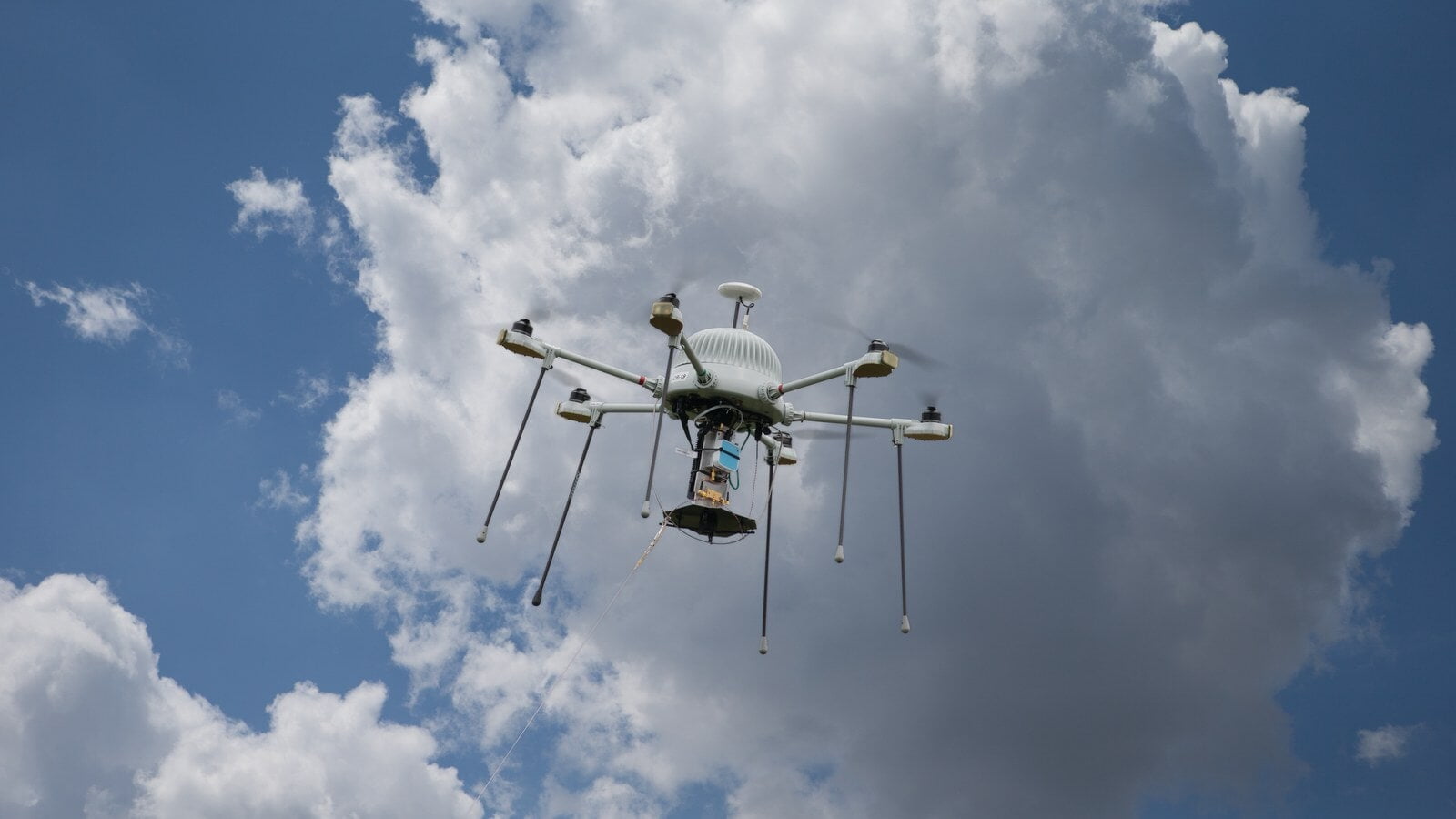
UAS means Unmanned Aerial Systems, commonly known as drones, together with their supporting equipment. Counter-UAS means systems used to detect, track or defend against unauthorized drones.
Two requirements, usually held by the same organization
Organizations increasingly need both. Aerial capability supports surveillance, survey, inspection, search and situational awareness across areas that are slow or unsafe to cover on the ground. At the same time, inexpensive drones in the hands of others have become a genuine risk to sensitive sites, and most facilities have no means of knowing one is overhead.
Where this applies
- Critical infrastructure, utilities and industrial sites
- Airports and controlled airspace boundaries
- Government, defence and mission facilities
- Conservancies and protected areas, for both wildlife monitoring and anti-poaching
- Large sites requiring survey, inspection or perimeter awareness
What BCE Systems provides
Requirement and risk assessment, platform and payload selection, counter-UAS detection and tracking system design, regulatory and airspace guidance, integration with existing surveillance and command systems, operator training and support.
Frequently asked
What can we lawfully do about a drone over our site?
Do drone operations require a licence?
Related
Perimeter Security Solutions · Access Control & Surveillance · Conservancies · Critical Infrastructure & Public Utilities
Discuss your requirement
Tell us about your operational objective and we will advise on the right system, not the largest one.
SILVER RESELLER AGPO Certified UN Global Compact Participant Women's Empowerment Principles D‑U‑N‑S SAM UEI NCAGE UNGM PPON
PUBLIC SAFETY
Unmanned Aerial Systems & Counter-Unmanned Aerial Systems
BCE SYSTEMS / Unmanned Aerial Systems & Counter-Unmanned Aerial Systems
UAS means Unmanned Aerial Systems, commonly known as drones, together with their supporting equipment. Counter-UAS means systems used to detect, track or defend against unauthorized drones.
Two requirements, usually held by the same organization
Organizations increasingly need both. Aerial capability supports surveillance, survey, inspection, search and situational awareness across areas that are slow or unsafe to cover on the ground. At the same time, inexpensive drones in the hands of others have become a genuine risk to sensitive sites, and most facilities have no means of knowing one is overhead.
Where this applies
- Critical infrastructure, utilities and industrial sites
- Airports and controlled airspace boundaries
- Government, defence and mission facilities
- Conservancies and protected areas, for both wildlife monitoring and anti-poaching
- Large sites requiring survey, inspection or perimeter awareness
What BCE Systems provides
Requirement and risk assessment, platform and payload selection, counter-UAS detection and tracking system design, regulatory and airspace guidance, integration with existing surveillance and command systems, operator training and support.
Frequently asked
Discuss your requirement
Tell us about your operational objective and we will advise on the right system, not the largest one.

 PLACEHOLDER
  AGPO Certified