
Services
Systems Integration
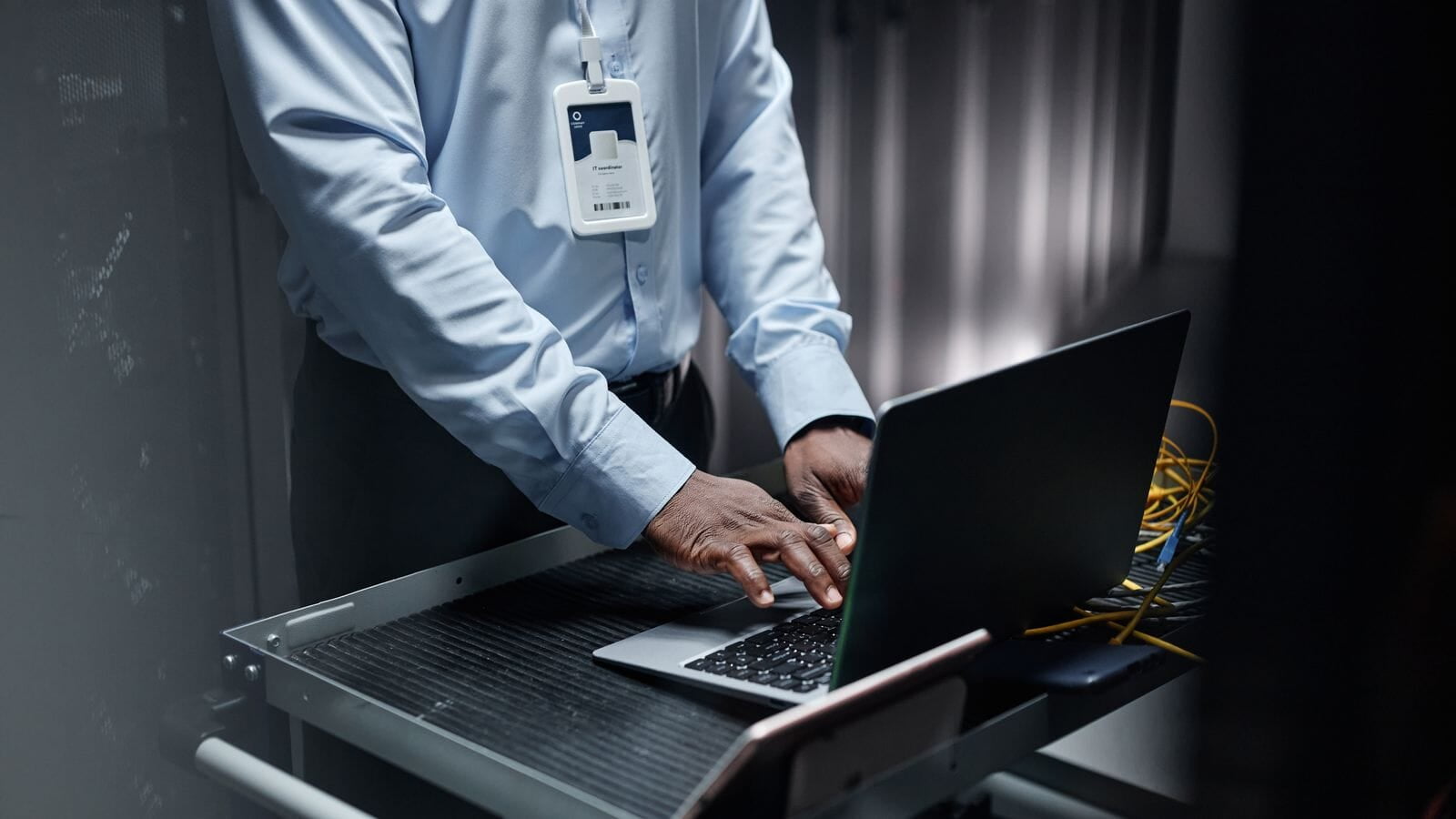
Engineer configuring a network from a laptop while integrating installed systemsLicensed
Systems integration is the process by which multiple individual subsystems are combined into one main system through design, building and customization, allowing the subsystems to function together so that the main system achieves the overarching functionality required. It is BCE Systems' core competence.
What integration actually changes
An organization can buy cameras, an access control system, a radio fleet and an alarm panel from four suppliers and own four systems. Integrated, they become one: an alarm calls the camera, the camera confirms the event, the radio alerts the responder and the access system locks the route. The equipment is the same. What changed is that the system now does something none of its parts could do alone.
Where integration earns its cost
- When an operational outcome depends on more than one technology working together
- When existing systems must be retained and extended rather than replaced
- When several suppliers are involved and someone must own the outcome rather than a component
- When the environment is difficult, remote, high-risk, or without reliable power or connectivity
- When the system must still function during the failure it was bought to manage
How BCE Systems works
We start from the operational objective rather than the product catalogue. Requirement analysis, threat or risk assessment where relevant, architecture and engineering design, equipment specification, procurement and import coordination, installation and commissioning, integration testing, training and handover, then support. Where the right answer involves a manufacturer we do not represent, we say so.
Frequently asked
Can you work with systems we already have?
Who is accountable when several manufacturers are involved?
How long does an integration project take?
Related
Architecture & Engineering Services · Managed Services
Discuss your requirement
Tell us about your operational objective and we will advise on the right system, not the largest one.
SILVER RESELLERAGPO CertifiedUN Global Compact ParticipantWomen's Empowerment PrinciplesD‑U‑N‑S SAM UEI NCAGE UNGM PPON
Services
Systems Integration
BCE SYSTEMS / Systems Integration
Systems integration is the process by which multiple individual subsystems are combined into one main system through design, building and customization, allowing the subsystems to function together so that the main system achieves the overarching functionality required. It is BCE Systems' core competence.
What integration actually changes
An organization can buy cameras, an access control system, a radio fleet and an alarm panel from four suppliers and own four systems. Integrated, they become one: an alarm calls the camera, the camera confirms the event, the radio alerts the responder and the access system locks the route. The equipment is the same. What changed is that the system now does something none of its parts could do alone.
Where integration earns its cost
- When an operational outcome depends on more than one technology working together
- When existing systems must be retained and extended rather than replaced
- When several suppliers are involved and someone must own the outcome rather than a component
- When the environment is difficult, remote, high-risk, or without reliable power or connectivity
- When the system must still function during the failure it was bought to manage
How BCE Systems works
We start from the operational objective rather than the product catalogue. Requirement analysis, threat or risk assessment where relevant, architecture and engineering design, equipment specification, procurement and import coordination, installation and commissioning, integration testing, training and handover, then support. Where the right answer involves a manufacturer we do not represent, we say so.
Frequently asked
Discuss your requirement
Tell us about your operational objective and we will advise on the right system, not the largest one.

 PLACEHOLDER
  AGPO Certified